Send for
Signature
Easily send it out to recipients for their signatures.
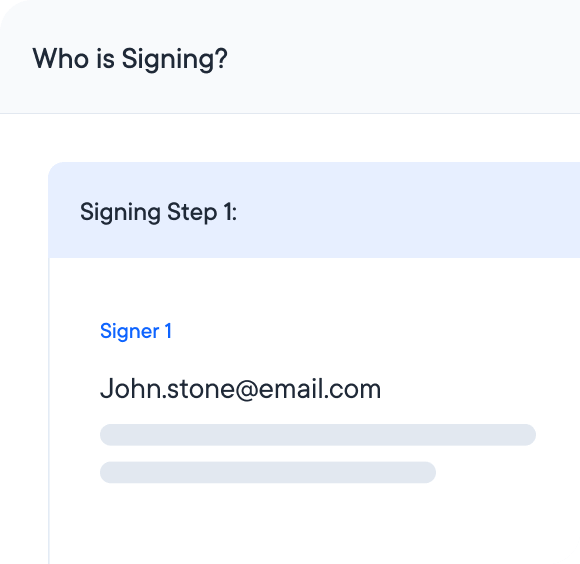

Streamline your document management with FlexiSign, a digital signature platform that's secure, efficient, and easy to use. FlexiSign, the world's first privacy and security-focused e-signature tool, simplifies how you sign, send, and manage documents, making your workflow smoother and more productive.
Easily send it out to recipients for their signatures.
(pin 5) to ensure it is producing the expected sawtooth waveform.
You can find TL494 LTspice subcircuit models ( .subckt ) on specialized electronics forums or via online simulations.
, a high-performance SPICE simulation software from Analog Devices, is the industry standard for verifying these circuits before physical hardware implementation. However, LTspice does not include a native, pre-installed model for the TL494 in its component library. Therefore, simulating the TL494 requires creating or importing a behavioral model . Why Model the TL494 in LTspice? Simulating the TL494 in LTspice offers several advantages:
Analyze transient responses, efficiency, and switching characteristics (e.g., dead time). Component Selection: Tune the oscillator resistors ( RTcap R sub cap T ) and capacitors ( CTcap C sub cap T ) for the desired operating frequency. Setting Up the TL494 LTspice Model
Connect pin 3 (Feedback) to the output of an error amplifier.
Map the pins according to the standard TL494 pinout: Pins 1 & 2: Error Amp 1 Inputs ( Invcap I n v Pin 3: Feedback ( Feedbackcap F e e d b a c k Pin 4: Dead-Time Control ( DTCcap D cap T cap C Pin 5 & 6: Oscillator CTcap C sub cap T RTcap R sub cap T Pin 7: Ground ( GNDcap G cap N cap D Pins 8 & 9: Collector & Emitter for Output 1 Pins 10 & 11: Emitter & Collector for Output 2 Pin 12: Supply Voltage ( VCCcap V sub cap C cap C end-sub Pin 13: Output Control (Common Emitter/Push-Pull) Pin 14: Reference Voltage ( VREFcap V sub cap R cap E cap F end-sub Pins 15 & 16: Error Amp 2 Inputs Constructing a Basic TL494 Buck Converter Simulation
Observe the output at the emitter/collector pins to verify that the PWM duty cycle adjusts based on the feedback loop. Oscillator Check: Measure the voltage at CTcap C sub cap T
(pin 5) to ensure it is producing the expected sawtooth waveform.
You can find TL494 LTspice subcircuit models ( .subckt ) on specialized electronics forums or via online simulations.
, a high-performance SPICE simulation software from Analog Devices, is the industry standard for verifying these circuits before physical hardware implementation. However, LTspice does not include a native, pre-installed model for the TL494 in its component library. Therefore, simulating the TL494 requires creating or importing a behavioral model . Why Model the TL494 in LTspice? Simulating the TL494 in LTspice offers several advantages:
Analyze transient responses, efficiency, and switching characteristics (e.g., dead time). Component Selection: Tune the oscillator resistors ( RTcap R sub cap T ) and capacitors ( CTcap C sub cap T ) for the desired operating frequency. Setting Up the TL494 LTspice Model
Connect pin 3 (Feedback) to the output of an error amplifier.
Map the pins according to the standard TL494 pinout: Pins 1 & 2: Error Amp 1 Inputs ( Invcap I n v Pin 3: Feedback ( Feedbackcap F e e d b a c k Pin 4: Dead-Time Control ( DTCcap D cap T cap C Pin 5 & 6: Oscillator CTcap C sub cap T RTcap R sub cap T Pin 7: Ground ( GNDcap G cap N cap D Pins 8 & 9: Collector & Emitter for Output 1 Pins 10 & 11: Emitter & Collector for Output 2 Pin 12: Supply Voltage ( VCCcap V sub cap C cap C end-sub Pin 13: Output Control (Common Emitter/Push-Pull) Pin 14: Reference Voltage ( VREFcap V sub cap R cap E cap F end-sub Pins 15 & 16: Error Amp 2 Inputs Constructing a Basic TL494 Buck Converter Simulation
Observe the output at the emitter/collector pins to verify that the PWM duty cycle adjusts based on the feedback loop. Oscillator Check: Measure the voltage at CTcap C sub cap T
FlexiSign's e Signatures revolutionize document handling across various applications:

Efficiently sign sales contracts electronically, saving time and effort.

Securely sign NDAs online, ensuring confidentiality and quick access. tl494 ltspice

Simplify and expedite signing invoices and vendor forms electronically.

Securely handle HIPAA forms with an electronic signature, ensuring compliance. (pin 5) to ensure it is producing the

Maintain and sign internal compliance documents easily with e-signatures.

Streamline onboarding by signing new hire documents electronically. However, LTspice does not include a native, pre-installed

Easily sign educational documents like IEPs, ARDs, and 504 Plans.

Quickly and securely sign consent forms electronically for better workflow.
Simplify your e Signature process with these easy steps:
Start by uploading the document you need signed.
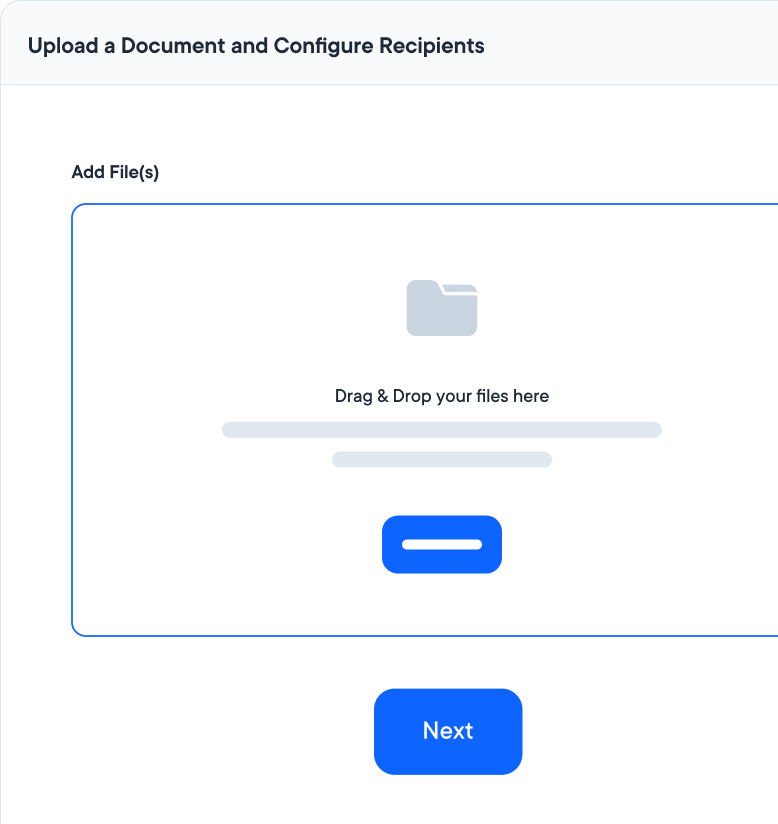
Add your signature or send it to others for signing.
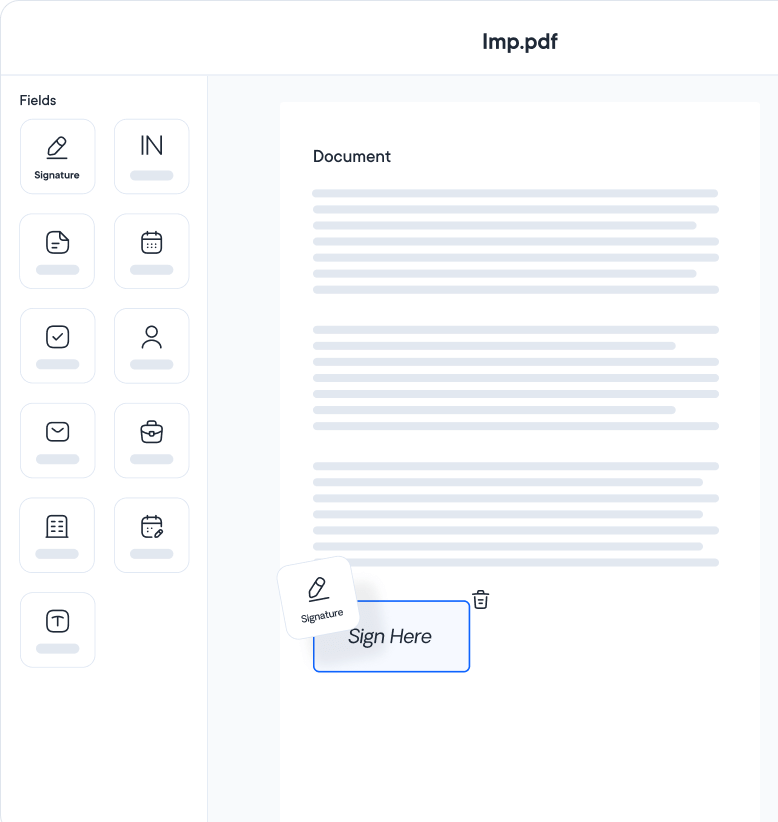
Once all signatures are collected, your document is secure and legally binding.
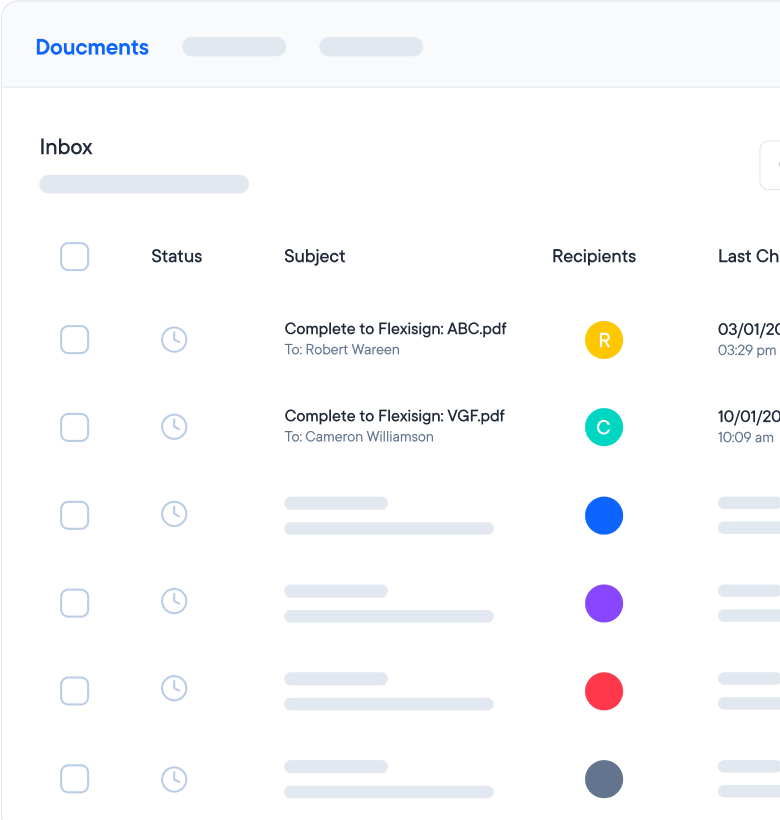
Start streamlining your workflow today with FlexiSign. Secure, efficient, and compliant, FlexiSign is your solution for all electronic signature needs.
Start free trial