The 720p BluRay format strikes a perfect balance between file size and visual quality. It provides a sharp enough image to enjoy the lush cinematography of Philippe Rousselot without requiring the massive bandwidth of 4K.
The Legacy of Tim Burton's Planet of the Apes (2001): A Visual Reimagining
Unlike the CGI-heavy modern trilogy ( Rise, Dawn, War ), the 2001 film used physical suits that allowed actors to interact naturally with their environments. Watching this in 720p BluRay quality allows viewers to appreciate the intricate details of the fur, skin textures, and expressive facial appliances. Why the Dual Audio Hindi Version is Popular
For many Indian viewers, this was their first introduction to the "Apes" mythos before the 2011 reboot series took over. The Controversial Ending
Unlike a direct remake, Tim Burton’s version offered a "reimagining" of Pierre Boulle’s 1963 novel. The story follows Captain Leo Davidson (Mark Wahlberg), an astronaut who accidentally travels through a wormhole and crashes on a mysterious planet where talking apes are the dominant species and humans are enslaved.
The Hindi dubbing for the 2001 film was noted for its intensity, especially in the delivery of General Thade’s menacing lines.
While the plot follows familiar beats of rebellion and discovery, Burton’s signature style is felt throughout. The atmosphere is darker, the set designs are more claustrophobic, and the world feels tangibly alien compared to the more "Earth-like" deserts of the original film. The Peak of Practical Effects
Though the newer Andy Serkis-led trilogy has become the gold standard for the franchise, the 2001 version is a fascinating piece of sci-fi history. It represents a bridge between old-school practical filmmaking and the digital revolution. Whether you are watching for the makeup artistry or the high-stakes action, experiencing it in remains a fantastic way to witness Tim Burton’s unique take on this simian world.
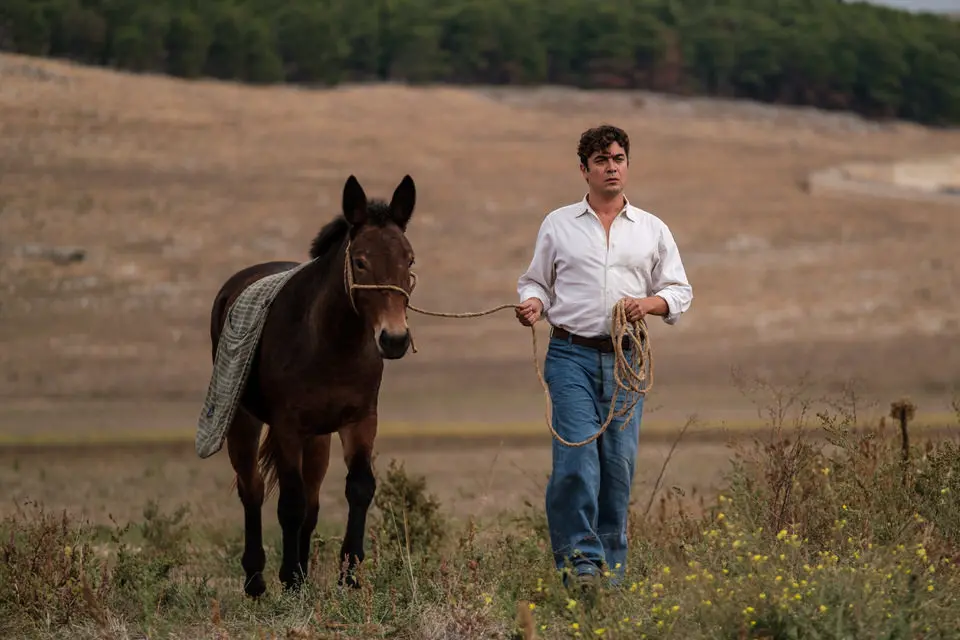
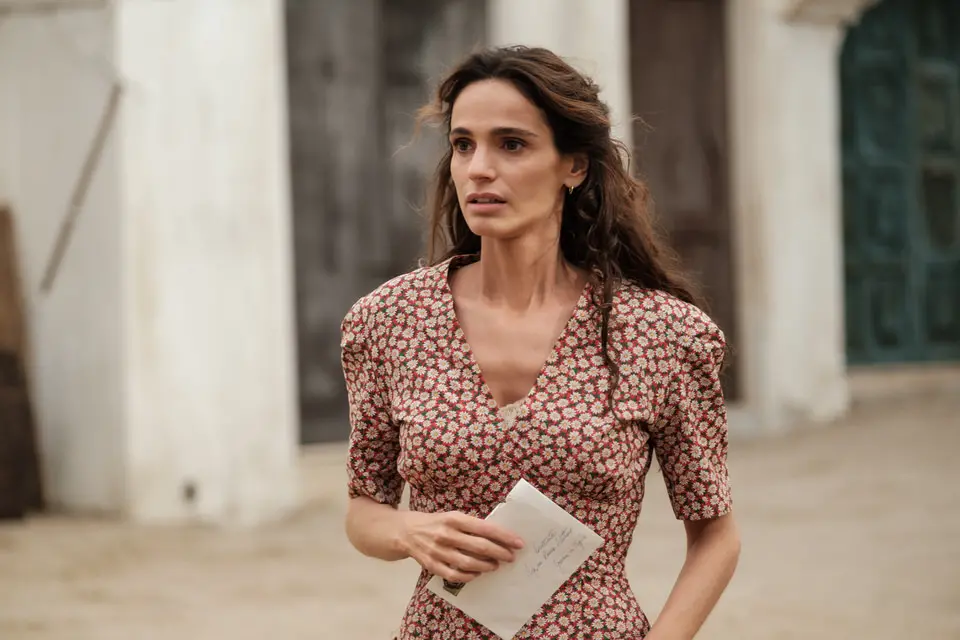
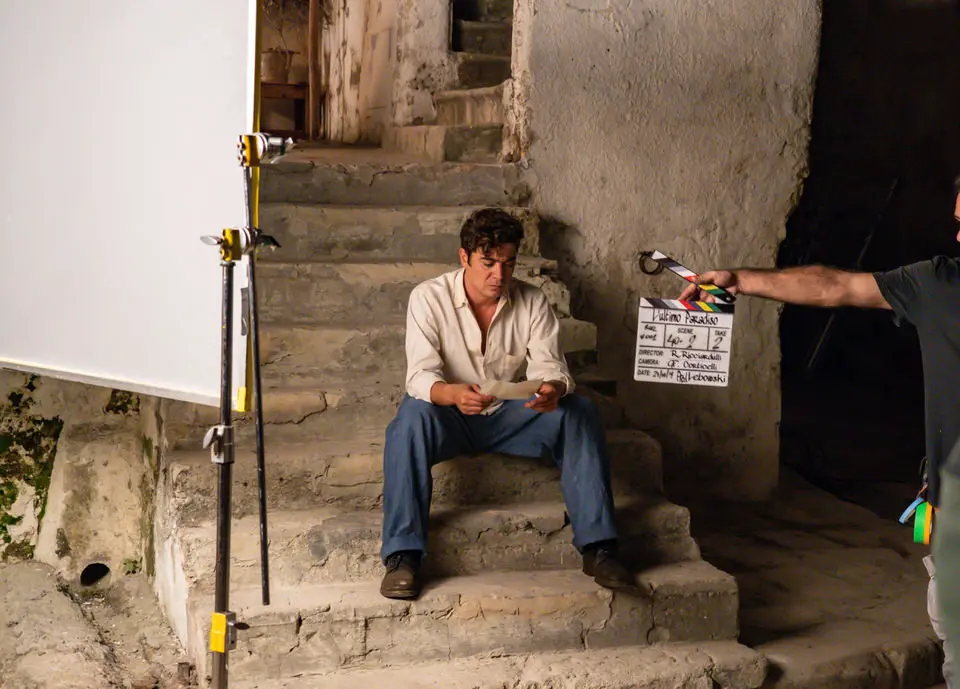
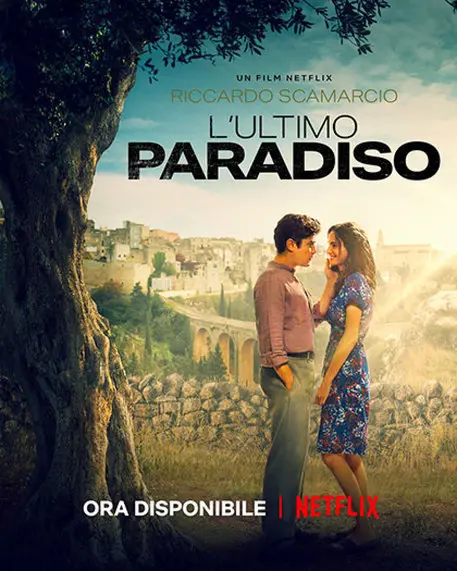
The director Rocco Ricciardulli, from Bernalda, shot his second film, L’ultimo Paradiso between October and December 2019, several dozen kilometres from his childhood home in the Murgia countryside on the border of the Apulia and Basilicata regions. The beautiful, albeit dry and arid landscape frames a story inspired by real-life events relating to the gangmaster scourge of Italy’s martyred lands. It is set in the late 1950’s, an era when certain ancestral practices of aristocratic landowners, archaic professions and a rigid division of work, owners and farmhands, oppressors and oppressed still exist and the economic boom is still far away, in time and space.
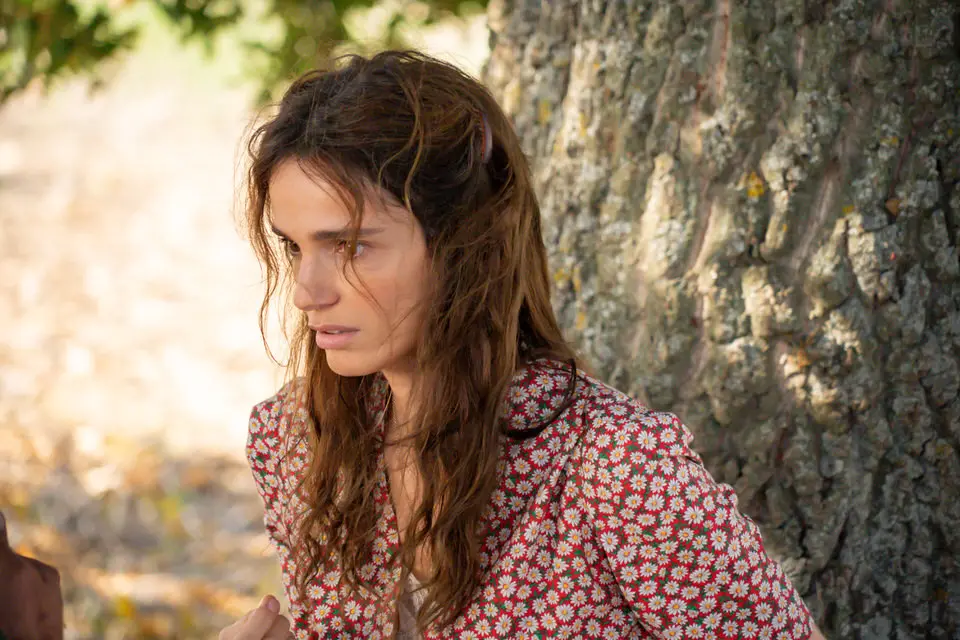
The borgo of Gravina in Puglia, where time seems to stand still, is perched at a height of 400m on a limestone deposit part of the fossa bradanica in the heart of the Parco nazionale dell’Alta Murgia. The film immortalizes the town’s alleyways, ancient residences and evocative aqueduct bridging the Gravina river. The surrounding wild nature, including olive trees, Mediterranean maquis and hectares of farm land, provides the typical colours and light of these latitudes. Just outside the residential centre, on the slopes of the Botromagno hill, which gives its name to the largest archaeological area in Apulia, is the Parco naturalistico di Capotenda, whose nature is so pristine and untouched that it provided a perfect natural backdrop for a late 1950s setting.
The alternative to oppression is departure: a choice made by Antonio whom we first meet in Trieste at the foot of the fountain of the Four Continents whose Baroque appearance decorates the majestic piazza Unità d’Italia.
The director Rocco Ricciardulli, from Bernalda, shot his second film, L’ultimo Paradiso between October and December 2019, several dozen kilometres from his childhood home in the Murgia countryside on the border of the Apulia and Basilicata regions. The beautiful, albeit dry and arid landscape frames a story inspired by real-life events relating to the gangmaster scourge of Italy’s martyred lands. It is set in the late 1950’s, an era when certain ancestral practices of aristocratic landowners, archaic professions and a rigid division of work, owners and farmhands, oppressors and oppressed still exist and the economic boom is still far away, in time and space.
The borgo of Gravina in Puglia, where time seems to stand still, is perched at a height of 400m on a limestone deposit part of the fossa bradanica in the heart of the Parco nazionale dell’Alta Murgia. The film immortalizes the town’s alleyways, ancient residences and evocative aqueduct bridging the Gravina river. The surrounding wild nature, including olive trees, Mediterranean maquis and hectares of farm land, provides the typical colours and light of these latitudes. Just outside the residential centre, on the slopes of the Botromagno hill, which gives its name to the largest archaeological area in Apulia, is the Parco naturalistico di Capotenda, whose nature is so pristine and untouched that it provided a perfect natural backdrop for a late 1950s setting.
The alternative to oppression is departure: a choice made by Antonio whom we first meet in Trieste at the foot of the fountain of the Four Continents whose Baroque appearance decorates the majestic piazza Unità d’Italia.
Lebowski, Silver Productions
In 1958, Ciccio, a farmer in his forties married to Lucia and the father of a son of 7, is fighting with his fellow workers against those who exploit their work, while secretly in love with Bianca, the daughter of Cumpà Schettino, a feared and untrustworthy landowner.
The 720p BluRay format strikes a perfect balance between file size and visual quality. It provides a sharp enough image to enjoy the lush cinematography of Philippe Rousselot without requiring the massive bandwidth of 4K.
The Legacy of Tim Burton's Planet of the Apes (2001): A Visual Reimagining
Unlike the CGI-heavy modern trilogy ( Rise, Dawn, War ), the 2001 film used physical suits that allowed actors to interact naturally with their environments. Watching this in 720p BluRay quality allows viewers to appreciate the intricate details of the fur, skin textures, and expressive facial appliances. Why the Dual Audio Hindi Version is Popular
For many Indian viewers, this was their first introduction to the "Apes" mythos before the 2011 reboot series took over. The Controversial Ending
Unlike a direct remake, Tim Burton’s version offered a "reimagining" of Pierre Boulle’s 1963 novel. The story follows Captain Leo Davidson (Mark Wahlberg), an astronaut who accidentally travels through a wormhole and crashes on a mysterious planet where talking apes are the dominant species and humans are enslaved.
The Hindi dubbing for the 2001 film was noted for its intensity, especially in the delivery of General Thade’s menacing lines.
While the plot follows familiar beats of rebellion and discovery, Burton’s signature style is felt throughout. The atmosphere is darker, the set designs are more claustrophobic, and the world feels tangibly alien compared to the more "Earth-like" deserts of the original film. The Peak of Practical Effects
Though the newer Andy Serkis-led trilogy has become the gold standard for the franchise, the 2001 version is a fascinating piece of sci-fi history. It represents a bridge between old-school practical filmmaking and the digital revolution. Whether you are watching for the makeup artistry or the high-stakes action, experiencing it in remains a fantastic way to witness Tim Burton’s unique take on this simian world.